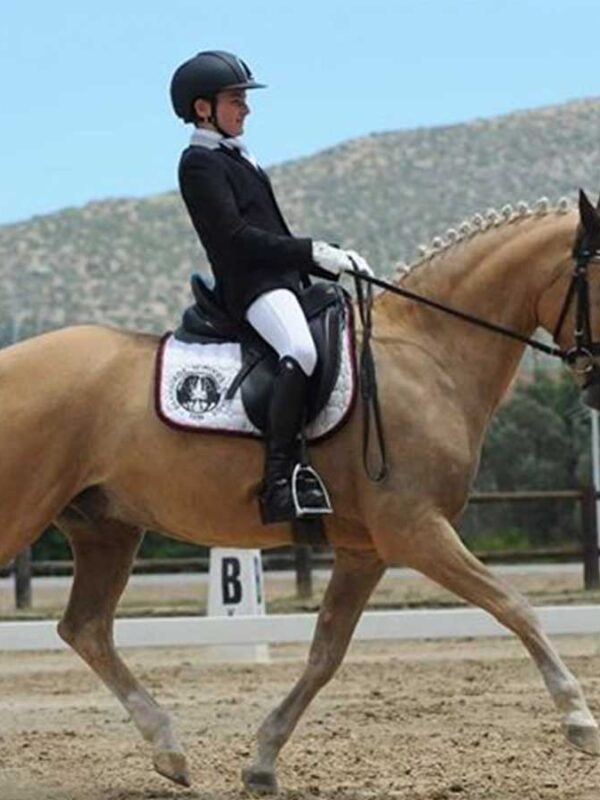
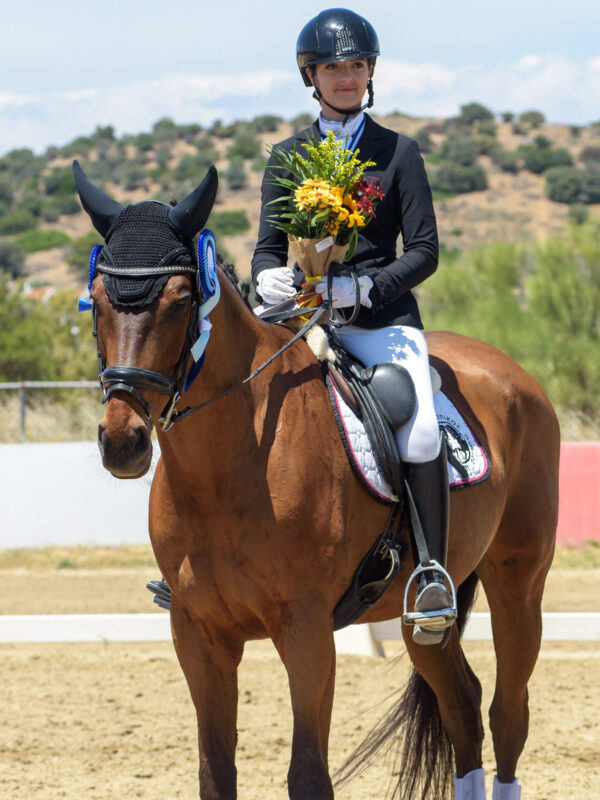
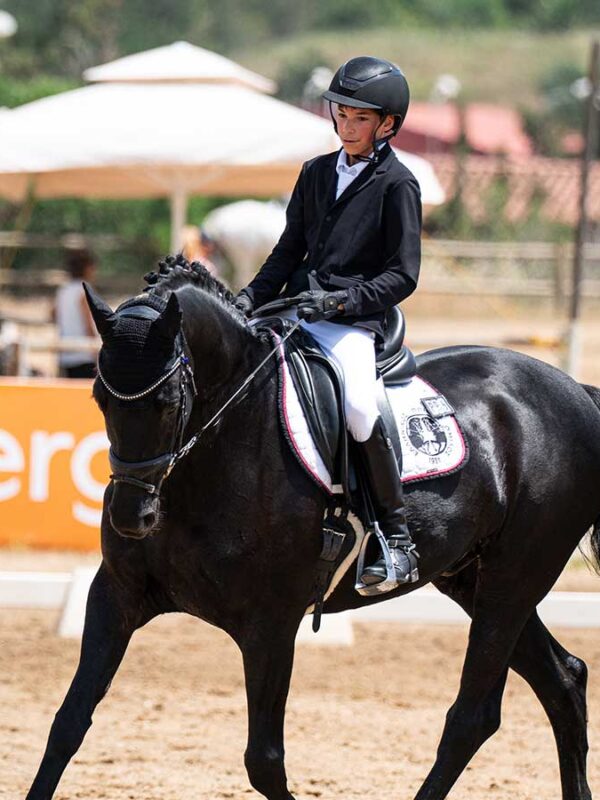
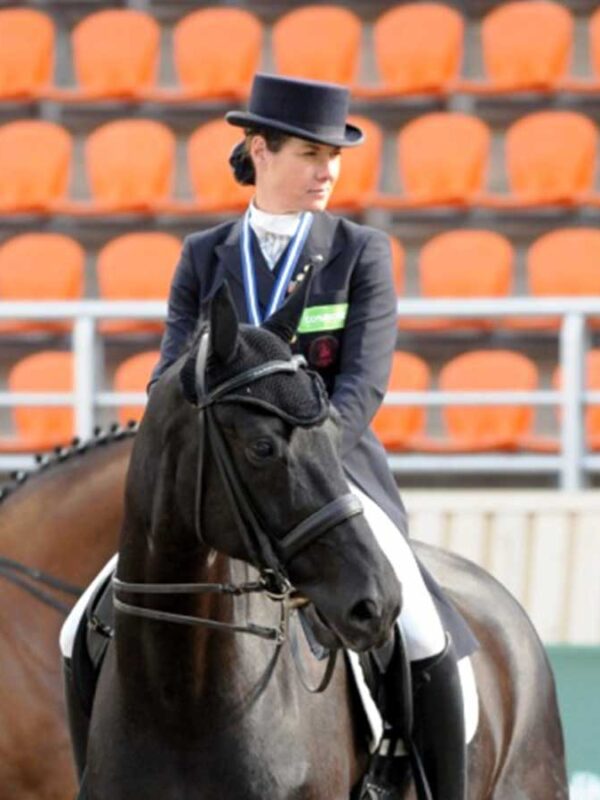
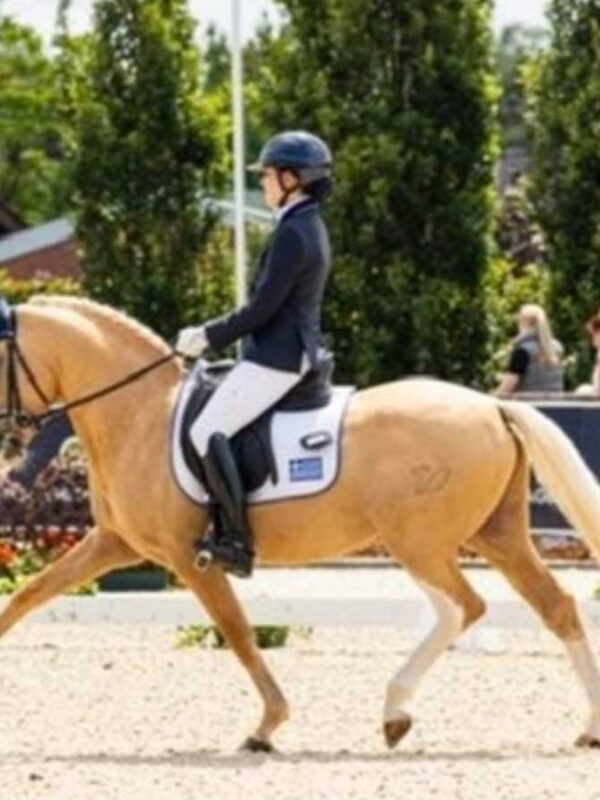
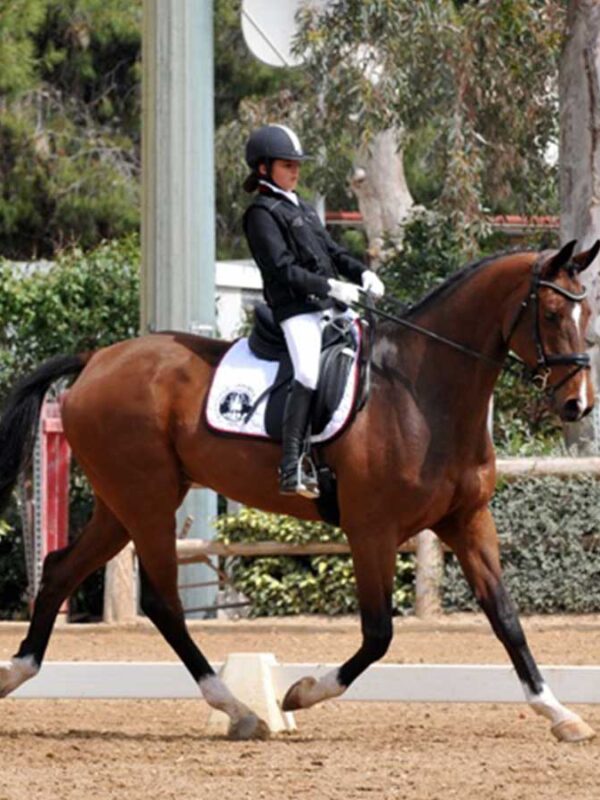
Dressage is the systematic training of the horse to perform specific movements with precision, harmony, balance, and obedience, in full cooperation with the rider.
The word Dressage comes from French and means “horse training.” It has its roots in ancient Greek warfare (c. 350 BC), aimed at developing obedient and agile horses. It evolved into a high form of art during the European Renaissance in the 16th century and became an Olympic sport in 1912, focusing on the refined partnership, harmony, and precision seen today.
Ancient Roots and Classical Foundations
Xenophon (c. 430–355 BC), the distinguished Athenian historian, writer, military leader, and Socratic philosopher from a wealthy family of horsemen, wrote “On Horsemanship”, emphasizing that horses should be trained with understanding and kindness rather than force, laying the foundations of Classical Dressage.
As part of the military practices of that era, movements such as the Piaffe (trotting in place) and the Capriole (a leap followed by a kick in the air) were developed to enhance agility on the battlefield, particularly in close combat situations.
The Renaissance and the Art of Horsemanship
During the 16th and 17th centuries, Dressage evolved into a sophisticated form of art in European courts and riding academies.
Founded in Vienna in 1572, the Spanish Riding School remains a cornerstone of the traditions of classical horsemanship.
The “Father” of Modern Dressage is the renowned French riding master François Robichon de La Guérinière (1688–1751), who revolutionized the discipline by introducing techniques such as the “shoulder-in.”
Modern Development and Competition
Dressage was introduced to the Olympic Games in 1912 in Stockholm . Participation was initially limited to male military officers, until the 1952 Olympic Games in Helsinki, when civilian men and women were officially allowed to compete.Dressage was included in the Olympic Games in 1912 in Stockholm.